Early Origins
Ancient literature offers the first reports of the cosmetic artificial body parts, from wax ears during the time of the Pharaohs, to the metal noses of the 16th century. By the 18th century, dentists developed more sophisticated dentures and enhanced the customization, fabrication, and fitting of facial prosthetics.
More durable and lifelike materials, such as resins and rubbers, began to be incorporated into prosthetic designs and prostheses were retained on the wearer by using more discreet methods of attachment. With each major battle in our world’s history, facial injuries increased and the demand for more realistic prostheses became undeniable.
The most significant milestones in the fabrication of cosmetic prostheses occurred after World War II, with the advent of plastics, particularly polyvinylchloride (PVC), polymethylmetacrylate (PMMA), and silicone. The materials and fabrication techniques used in facial prosthetics have crossed over into other types of prosthetic designs, from prosthetic fingers to prosthetic feet. Silicone is the most commonly used material for these types of prostheses, namely because of its realistic texture, durability, and hypoallergenic properties.
Suspension Methods
The most common methods of suspension for silicone prostheses today are: suction, liquid adhesives, and magnetic implantation. The type of prosthesis, amputation site, and amputation severity, often dictates which type of suspension method is required. Most silicone fingers are retained on the wearer using suction suspension, making application and removal easier daily rituals.
Functionality
The term ‘cosmetic’, when referring to silicone prostheses, is actually a misnomer, as these types of prostheses serve undeniably functional roles. A silicone finger allows for improved dexterity and opposition, allowing its user to accomplish basic tasks such as grasping an object or typing on a computer.
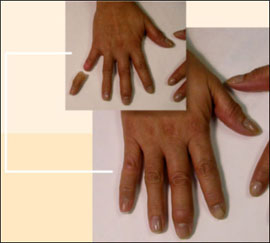
Silicone prostheses also improve proprioception, which occurs via vibrations that travel through the silicone, to the user, and gives the amputee a better idea of where his or her limb is in space. There is also a great emphasis on the appearance of these prostheses, which can be custom sculpted and custom painted to blend in seamlessly with the user’s sound body part.
Custom color sessions occurring with the amputee present yield the best result by ensuring a proper match and allowing the user to participate more actively in the fabrication process.